
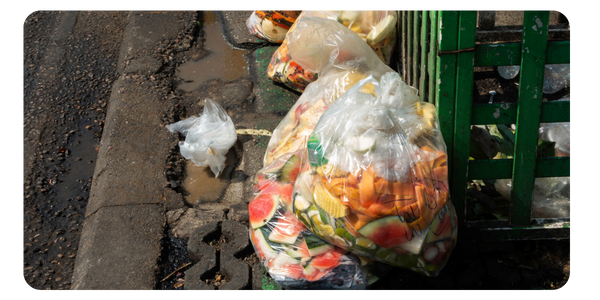
Most hospitality venues don’t realise it, but some of their biggest profit leaks aren’t on the P&L.
They’re in the bin.
In a recent Crunch Waste Workshop, Andrew Collins from Circular Organics broke down why food waste isn’t just an environmental issue. It’s an operational one. And when you look at it properly, it becomes a powerful lever for saving money and running a tighter business.
Here are six practical ways to start in 2026.
1. Look in your bins (seriously)
Most owners can tell you their labour percentage and food cost, but very few can tell you what ends up in their bins.
Andrew’s advice is simple. For two weeks, visually audit your waste. Separate food scraps into smaller containers and take a few minutes to observe what is being thrown out.
What many venues find is confronting. Whole loaves of bread. Full portions of chips. Untouched avocados. These are products you paid full price for and never sold.
2. Treat waste like a data source
Your bins tell a story about how your business is performing.
Bread. Chips. Coffee grounds. Untouched food. Each item points to something upstream, portion sizes, menu design, ordering habits, or service flow.
Instead of guessing where money is being lost, let the waste show you. Use that insight to adjust portions, refine menus, and order more accurately.
3. Fix the easy wins first
You don’t need a full sustainability overhaul to make progress.
Start with the low-hanging fruit:
-
Free bread that guests don’t always want
-
Oversized portions that come back scraped
-
Single-use sauce packets that end up unopened in the bin
Small changes at service level can dramatically reduce waste without affecting the guest experience. Often, guests don’t even notice the difference. Your margins will.
4. Treat food waste as a resource, not a cost
Food scraps are nutrient-dense. When they’re separated properly, they can be turned into compost and fertiliser that supports local food production.
That’s the shift Andrew encourages. Stop thinking about food waste as rubbish and start seeing it as a resource. It reduces landfill, lowers emissions, and feeds straight back into the food system. Once waste is seen as valuable, behaviour changes. Scraping plates becomes more intentional. Contamination drops. Teams start caring about what goes where.
5. Get your team on board early
Waste reduction lives and dies with your team.
Systems only work when people understand why they matter. Training should explain:
-
Why food separation matters for the business
-
How it impacts the planet
-
How small, everyday actions add up
When staff see the bigger picture, behaviour changes quickly. Buy-in isn’t a “nice to have”. It’s essential.
6. Reduce waste and improve ROI
From July 2026, many NSW venues will be required to separate and manage organic waste. But the real opportunity is not compliance. It is cost control.
Venues working with providers like Circular Organics have reduced general waste by up to two thirds. Others have removed heavy items like coffee grounds from weight-based collections, cutting waste bills significantly.
The environmental return is just as strong. One venue diverting food waste properly can reduce emissions equivalent to taking 20 cars off the road each year.
Waste reduction improves margins now and protects your business later.
Want support putting this into practice?
Reducing waste is easier when you’ve got the right systems, support, and accountability around you.
Inside the Crunch app, you’ll find expert-led education, live business coaching, and practical sessions like this Waste Workshop, all designed to help hospo owners make better decisions, protect margins, and build stronger businesses.
If you’re ready for more structure, clearer systems, and guidance from people who understand hospitality, Crunch is here to back you.